CONNECT NEEDS TO SUPPORT IN REAL TIME BEFORE CHALLENGES BECOME CRISES.
The Infrastructure
for Coordinated Community Support
Amalynk (ah-muh-link) gives communities one coordinated infrastructure for connecting families, trusted helpers, organizations, resources, opportunities, and funding—so support doesn't depend on disconnected referrals, spreadsheets, phone calls, and outdated resource lists.
- Built for
- Community OrganizationsFunders & SponsorsCommunity HelpersFamiliesPublic Systems
The gap
Families need support faster.
Communities need a better way to respond.
Too often people face urgent needs — food, housing, transportation, childcare, healthcare — without a simple way to get connected to help in real time. At the same time, organizations and helpers want to step in, but coordination is fragmented, delayed, and hard to track. Amalynk closes that gap.
Disconnected systems
Support opportunities are scattered across organizations, programs, and informal community networks.
Delayed response
Families wait too long for help, even when people and organizations are willing to step in.
Limited visibility
Leaders lack clear insight into needs, response activity, and community impact.
The solution
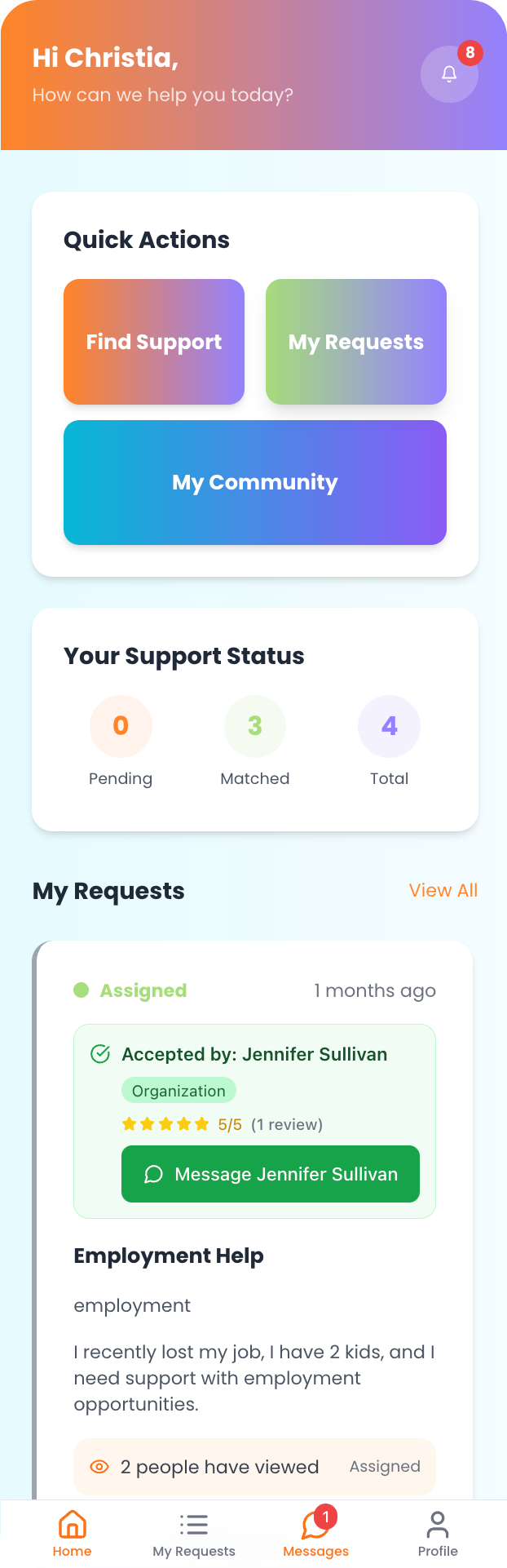
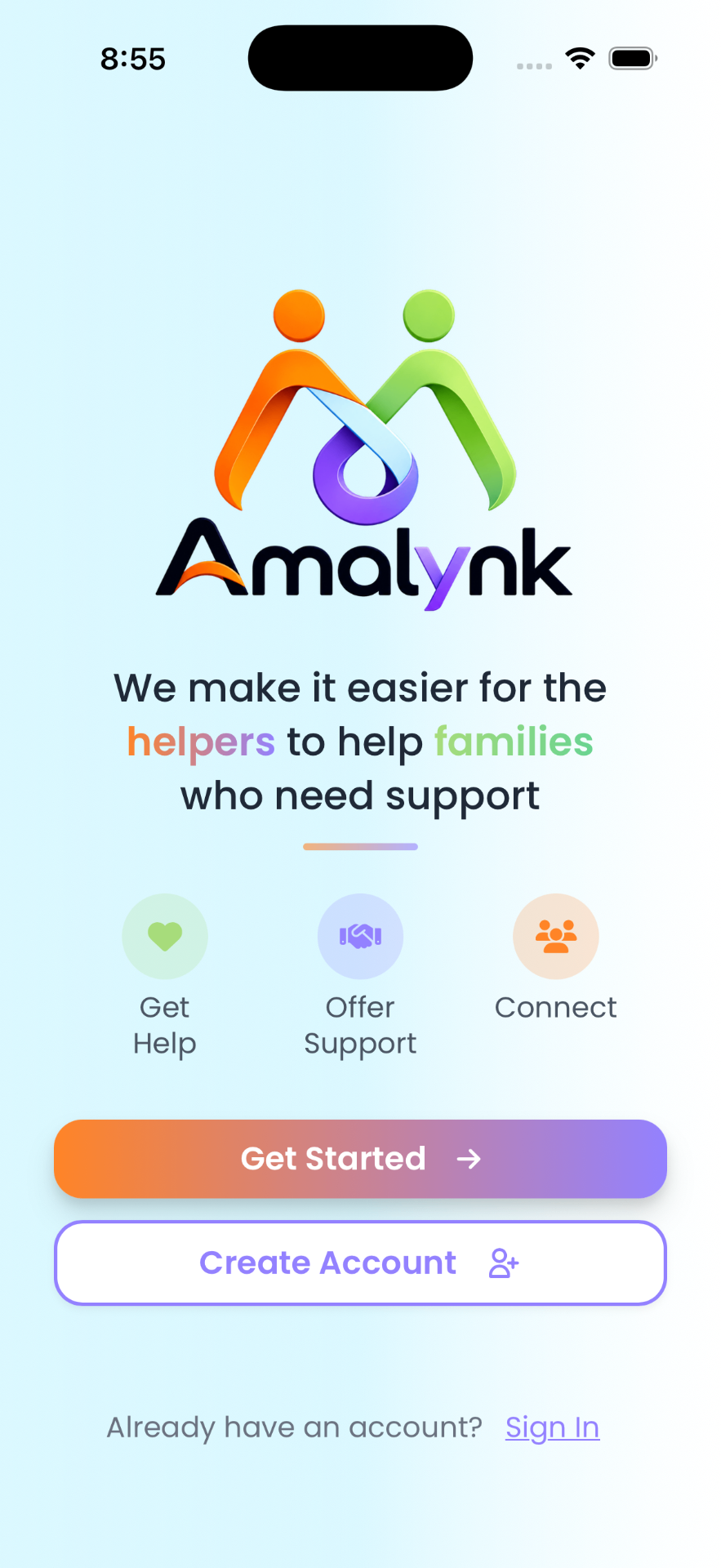
Amalynk connects needs to real support in real time
A platform that helps communities coordinate support more effectively. Organizations and verified partners respond to real needs through a structured, trackable, community-powered network.
Coordinate help requests
Capture real needs and route them through a more organized support workflow.
Activate community response
Connect families, helpers, and organizations through a shared support network.
Track engagement and impact
Give organizations visibility into response activity, participation, and outcomes.
Built for
Every role that touches a family in need.
Organizations
Coordinate your team
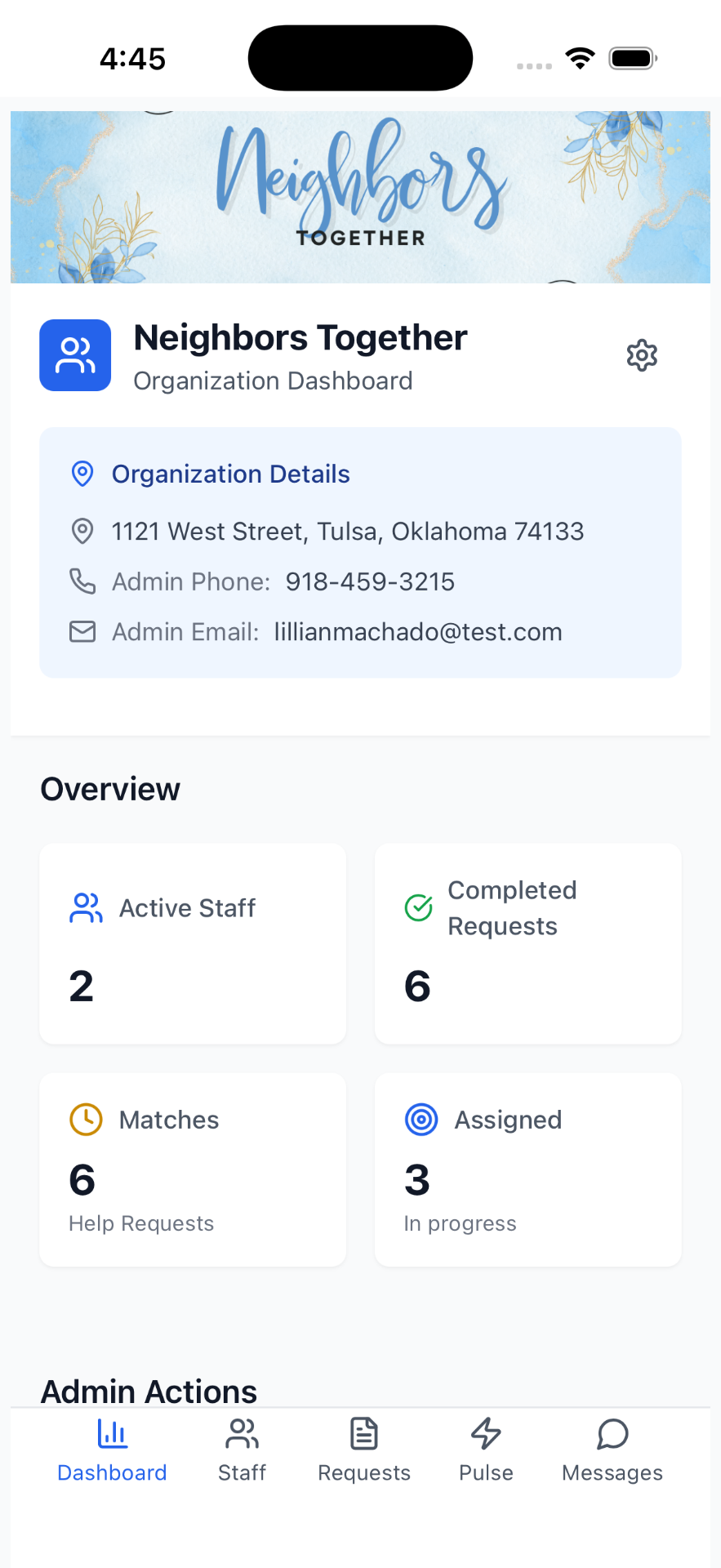
Dashboards, staff assignment, real-time request queues, and partner referrals — in one place your team can actually run on.
Learn moreSupport partners
Respond to real needs
Join a verified network. Receive matched opportunities. Respond through a structured, trackable workflow.
Learn moreFamilies
Access support faster
Submit a need — anonymously if preferred. Get connected to the right help without navigating a broken referral system alone.
Learn moreFunders and boards
See the impact
Real-time analytics that surface response rates, partner engagement, and community outcomes — without manual report assembly.
Learn moreCapabilities
Platform capabilities designed for real-world support systems
Real-time request coordination
Organize help requests and make it easier to respond.
Community-powered matching
Connect needs with the right people and partners.
Organization dashboards
Track activity, response, and participation across your network.
Network visibility
Share relevant support opportunities and community updates.
Partner referrals
Invite organizations and expand your local support ecosystem.
Role-based access
Support families, helpers, staff, and partners through structured permissions.

Why Amalynk
Amalynk connects the entire support ecosystem
Most tools solve one slice of the problem. Amalynk connects them.
One coordinated ecosystem of support
Meet the founder
Founder's story
Why Amalynk exists — in his own words.
TEDx talk
"I built Amalynk because I've seen how often families are surrounded by people who want to help, yet support can still be difficult to find and coordinate when it matters most. My work across child welfare, technology, healthcare, and community systems showed me that the problem isn't always a lack of resources. Amalynk is my effort to make support easier to find, coordinate, and act on before challenges become crises."
Tayvon Lewis
Founder & CEO, Amalynk
Our Design Process
Three years of UX research with the people closest to the problem
3M+
Families reported to child welfare each year
80%
Of reports are unsubstantiated
3 yrs
Of UX research with frontline professionals & families
High
Interest in a real-time support tool among frontline professionals
Zero
Existing digital tools respondents named that solve this need
Clear
Desire to support families without punishing them through the system
WHY WE BUILT THIS
Built with educators, healthcare workers, social workers, daycare staff, child-serving leaders, and impacted families.
Amalynk was not designed in isolation. It was built from structured research with educators, healthcare workers, social workers, daycare staff, child-serving leaders, and impacted families. What they told us shaped every feature, every flow, and every safeguard.
The core problem we heard
"Mandated reporters feel stuck between helping and harming."
Many professionals told us they report not because they want to, but because they have no other tools.
Patterns that emerged
Six signals from the field that shaped the product
Desire to support, not punish
Respondents expressed reluctance around reporting to child welfare but felt obligated due to a lack of alternatives.
Limited pre-crisis resources
Even experienced professionals lacked clear, accessible, real-time resources to offer families before things escalate.
High interest in a support tool
Most were open or eager to use a tool like Amalynk. Hesitations centered on confidentiality, liability, and institutional guidance.
Recurring needs identified
Cited the need for up-to-date resource databases, parenting & mental health referrals, culturally competent training, and connection to housing, food, transportation, and child care.
A clear technology gap
No existing digital tools were named that solve this need. Respondents wanted something simple, real-time, and secure.
Designed from the feedback up
Every pattern above directly shaped Amalynk's flows, safeguards, and the way organizations and helpers coordinate support.
See how Amalynk works inside your organization
Amalynk helps your organization spend less time chasing resources, referrals, and community partners and more time helping people. It connects your team into a trusted local support ecosystem where needs, partners, support, and outcomes can be coordinated in one network.
Don't need a demo? Join the support network →